ALBUM – view my Allenstein Album
Summary
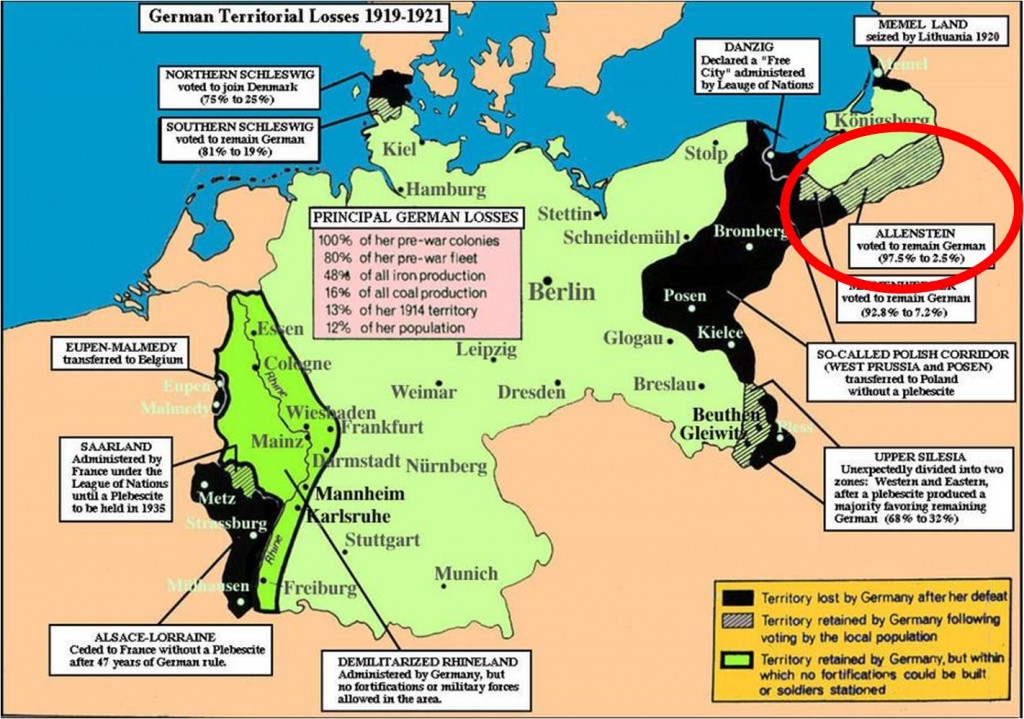
Allenstein was an independent city within the German Empire. After the defeat of Germany in WW1, the Treaty of Versailles called for Allenstein to conduct a plebiscite (election) to determine their national alignment. The vote was held on July 11, 1920, with almost 98% voting to remain with Germany. The formal handover from the Commission to German authorities occurred on August 16, 1920.
Fast Facts
Region: Germany / Poland Area
Group: Occupations and Plebiscites post wwI
Classification: Plebiscite
Prior Regime: The German Empire
Key Dates:
1919, Jun – Treaty of Versailles
1920, Feb 12 – British and Italian troops arrive
1920, Jul 11 – Plebiscite
1920, Aug 16 – Handover to Republic of Germany
First Stamp Issued: April 3, 1920
Following Regime: Germany, Weimer Republic
Scott Catalogue: (Allenstein) #1-28
Pick Catalogue: none
Brief History of Allenstein
As the Allies decided to establish Poland as an independent state, a large part of West Prussia was awarded to Poland (along with its large German population) to give the new nation access to the Baltic Sea. While this access to a seaport was considered necessary for the survival of the country, it created a strip of land, often called the Polish Corridor, that essentially split East Prussia off from the rest of Germany.
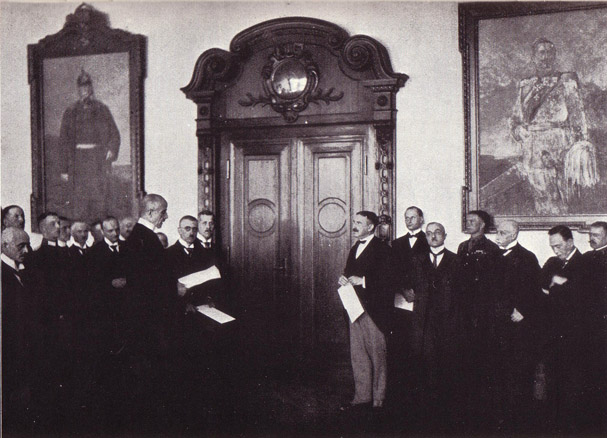
Allenstein (Olsztyn, in Polish) was a district in East Prussia from 1818 – 1910, when it became an independent city within the German Empire. According to the Treaty of Versailles, Allenstein was placed under the authority of the Inter-Allied Commission, and British and Italian troops began arriving on 12 February, 1920 to oversee the plebiscite. While the German Army had already left the area, civil and municipal administration continued under existing German authorities who were accountable to the Commissions. On 11 July, 1920, the vote was held and almost 98% of the voting population chose to remain with East Prussia in Germany. The formal handover from the Commission to German authorities occurred on 16 August, 1920 and Allenstein, along with Marienwerder became part of East Prussia.
Allenstein remained under the control of Germany until the end of World War 2, when it became a part of an expanded Poland
Stamps
 ALBUM
ALBUM
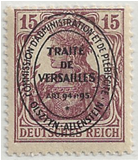
During the lead up to the plebiscite, postage stamps of Germany were overprinted and issued to help publicize the event. Two different overprint designs were produced. The first design consisted of three lines reading: “PLÉBISCITE / OLSZTYN / ALLENSTEIN”, and was overprinted in 14 different denominations ranging from 3 pfennig to 3 marks.
The second overprint design consisted of an oval with the words: ”TRAITÉ DE VERSAILLES / ART. 94 et 95”, printed in in the center, and the full name of the plebiscite commission printed within the outside border.
Allenstein stamps were first issued on 3 April, 1920, and were valid until 20 August.
Banknotes
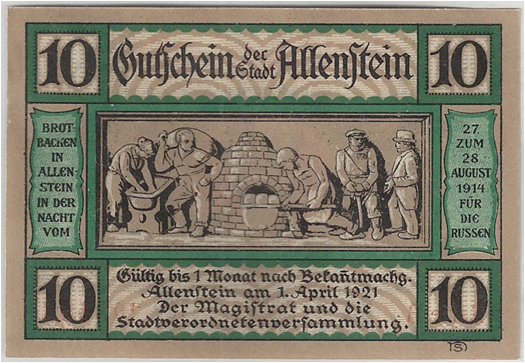 No Allenstein specific banknotes were issued during the plebiscite era. However, a great period of inflation broke out in Germany after the war, causing great strains on the economy. In the early 1920’s, Notegeld (emergency money) was issued in many local regions, Allenstein included. The notes were meant to used for local bartering as the German Mark plummeted and metal was in short supply. The bright colored notes featuring local buildings or folklore created a strong demand from collectors. Quite often these sets, known as “Serienscheine” (serial paper money), were never actually produced for circulation, but instead sold to dealers.
Links
East Prussian Plebiscite at Wikipedia
Plebiscite issues make interesting collection from Linns
Allenstein Plebiscite from Stamp Collecting World
Allenstein at BigBlue 1840-1949 by Jim Jackson
Stamps of Distinction – Allenstein





6 Responses to Allenstein, plebiscite (1920)